
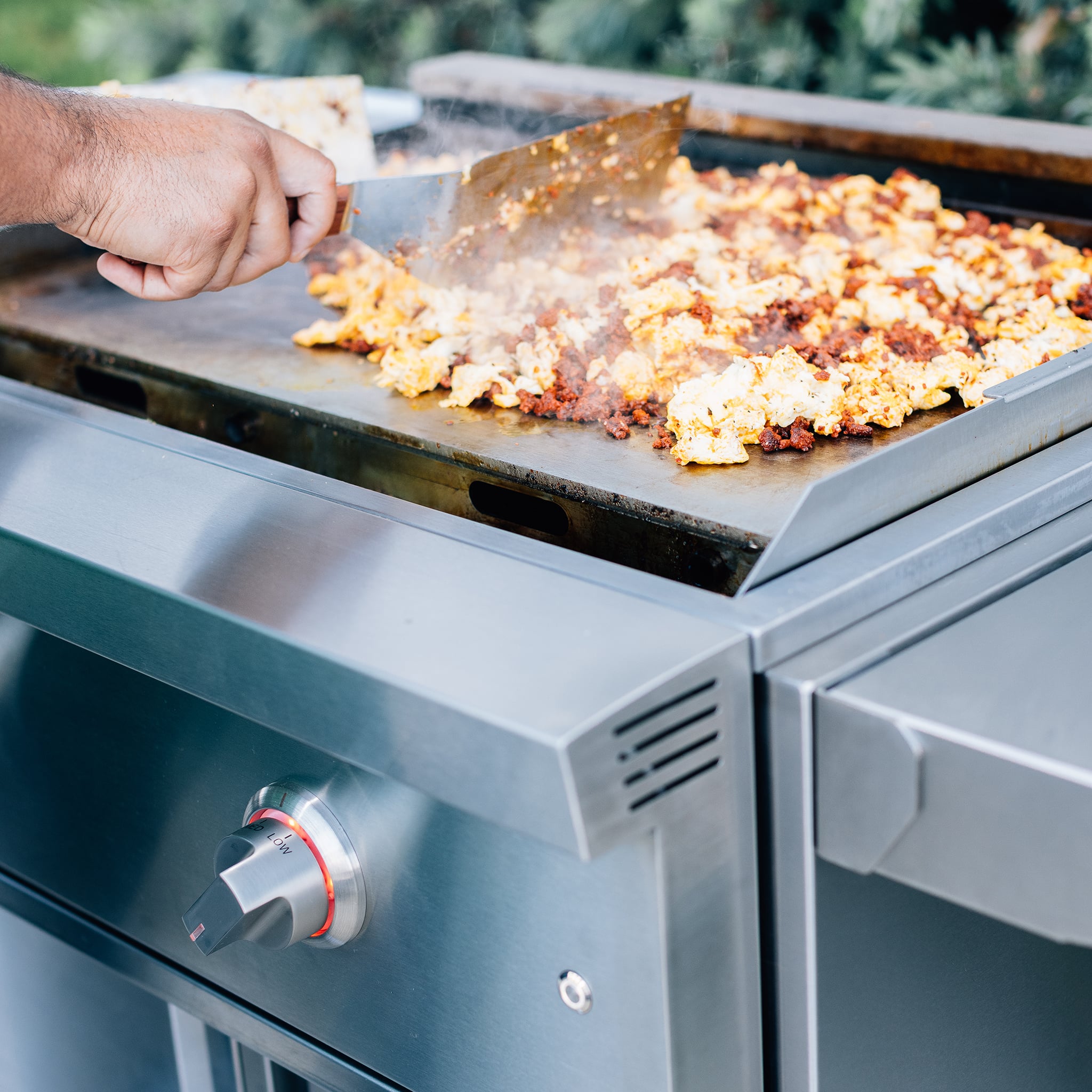
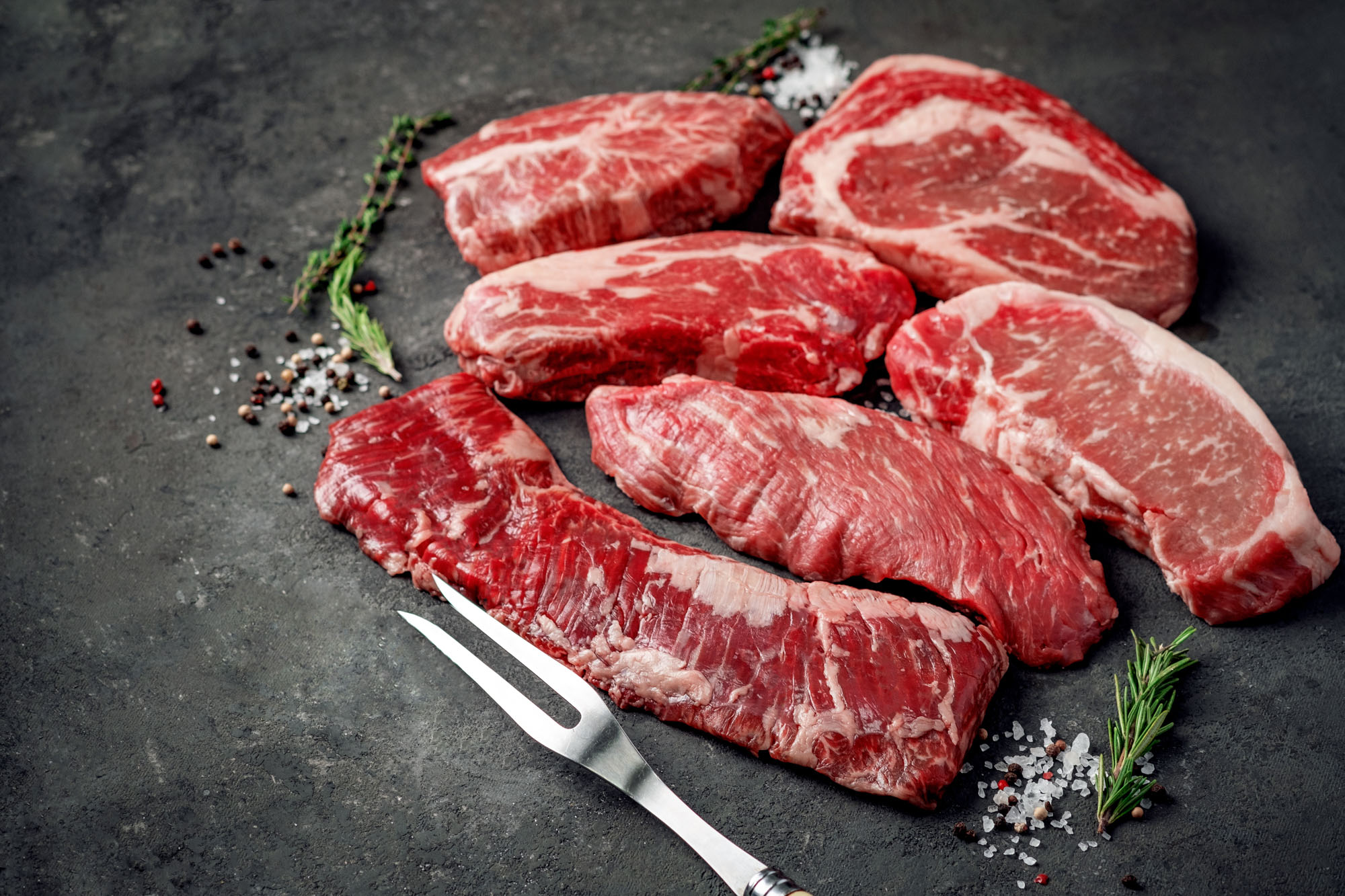
Outdoor grilling at home has a way of slowing things down. The fire is steady, the air is open, and the meal comes together at its own pace. Choosing the best types of steak plays a quiet but meaningful role in that experience. The proper cut responds well to heat, cooks predictably, and makes every step easier—from seasoning to slicing.
January offers a clean slate. It’s a good time to refine habits and make decisions that feel more thoughtful and less rushed. That same approach works well at the grill. When you understand how different steaks behave at various temperatures, choices become simpler and cooking feels more relaxed. This guide explores the types of steak that perform well on the grill and explains how to select them with ease, so outdoor meals start strong and stay enjoyable all year long.
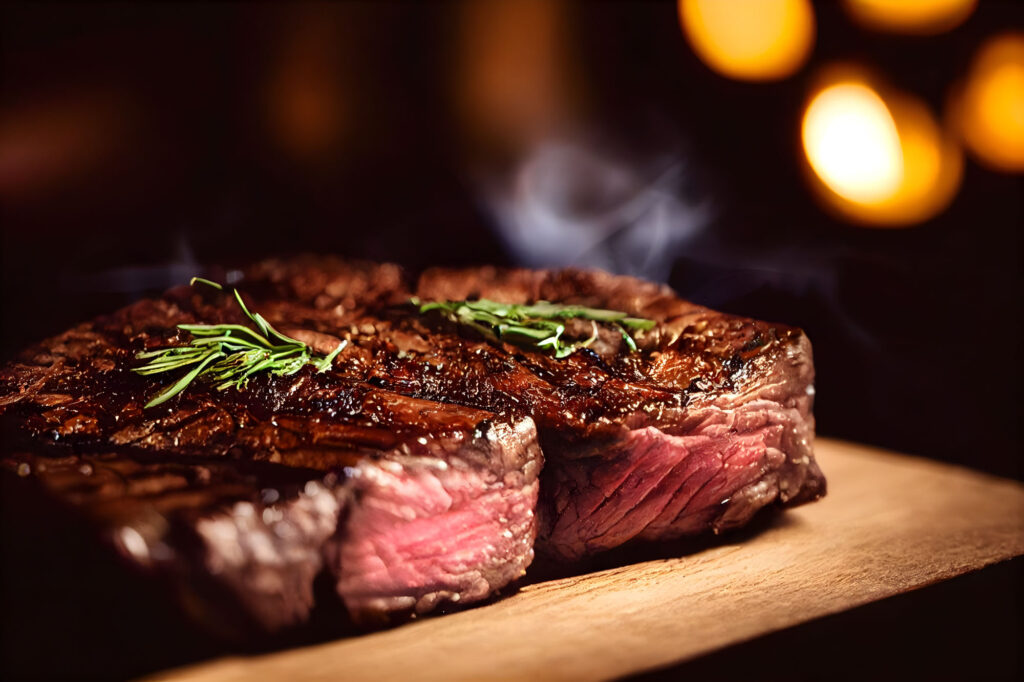
A Better Starting Point for Grilled Steak at Home
Many grilling frustrations begin long before the grill is warm. The challenge often lies in selecting a steak based on name or familiarity rather than how it cooks outdoors. Ribeye, sirloin, filet—each brings a different structure, fat content, and response to heat.
Another layer comes from borrowed expectations. Steakhouse results rely on tightly controlled environments, while backyard grilling introduces open air, shifting temperatures, and a pace that feels more fluid. Once those differences are understood, steak selection becomes simpler and far more rewarding.
A better starting point is understanding behavior rather than reputation.
Let the Result Lead the Way
Before choosing a cut, consider the experience you want at the table. That single decision narrows the field quickly and removes hesitation.
- Rich, full flavor often comes from steaks with generous marbling
- Clean, refined texture favors leaner muscles cooked with care
- Shared meals benefit from thicker cuts that hold heat well
- Relaxed cooking leans toward steaks that remain forgiving as timing shifts
When the result leads the way, the cut naturally follows.
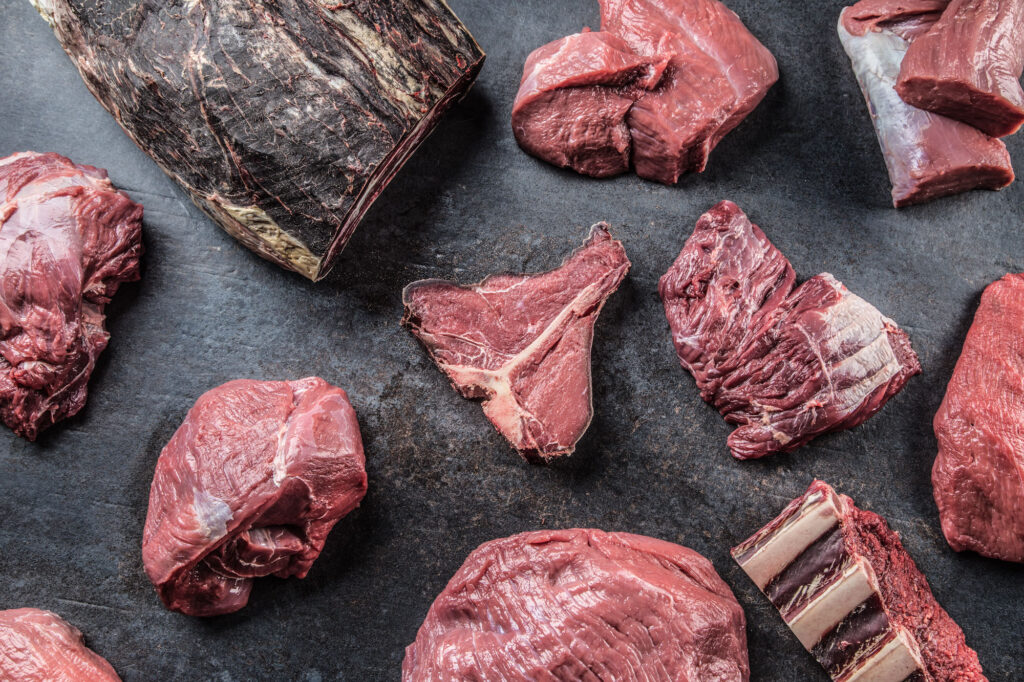
The Best Types of Steak and How They Perform on the Grill
Understanding how each steak reacts to heat brings clarity and ease. These classic cuts appear often for good reason, and each offers something distinct at the grill.
Ribeye: Built for Heat and Flavor
Ribeye carries marbling throughout the muscle. As heat builds, that fat renders slowly, keeping the meat juicy while adding depth. This structure allows flexibility during cooking and forgiveness if timing drifts.
Thicker ribeyes suit a steady warm-up followed by a strong finish. Medium-rare to medium highlights the balance between texture and flavor. When selecting one, look for fine marbling spread evenly across the surface.
New York Strip: Balance and Control
The New York strip offers a firm structure with a clean, beef-forward profile. A modest fat edge helps protect moisture while the grain stays tight and uniform.
This cut responds well to direct heat and rewards steady attention. Medium-rare remains a dependable target. Consistent thickness at the counter helps timing feel predictable.
Tenderloin (Filet): Soft Texture With Narrow Margins
Tenderloin delivers tenderness thanks to its lean composition. That same quality means it cooks quickly and benefits from close attention.
Moderate heat preserves moisture, while generous seasoning adds presence. Medium-rare keeps the texture smooth without drying the interior. Uniform thickness matters more here than size.
T-Bone and Porterhouse: One Steak, Two Experiences
These steaks combine strip and tenderloin, separated by bone. The presentation feels generous, yet the two muscles cook at different speeds.
Gradual heat followed by a finishing sear helps both sides reach their stride together. Watch the tenderloin side carefully. Balanced proportions and thickness signal a strong purchase choice.
Skirt and Flank: Bold Flavor With a Fast Pace
Skirt and flank steaks deliver intensity through long muscle fibers. High heat suits them best, and cooking moves quickly.
Resting and slicing across the grain shape the final texture more than temperature alone. Marinades pair well here, though simple seasoning works when timing is steady.
Top Sirloin: Familiar, Reliable, Often Misread
Top sirloin appears often because it fits many menus. Leaner than ribeye and firmer than strip, it responds best to thoughtful handling.
Medium-rare to medium preserves moisture. Excess heat shortens its window. This cut works well sliced for shared plates or paired with lighter sides. A fine grain and moderate thickness indicate quality.
Underrated Cuts that Grill Well
Some steaks quietly deliver consistency without demanding attention. These options often surprise in the best way and reward confident cooking.
Hanger Steak: Depth Without Fuss
Hanger steak offers strong beef flavor and a forgiving cook window. A central membrane needs trimming before cooking, yet the payoff comes quickly.
Direct heat suits this cut well. Medium-rare brings out its character. Slice against the grain for a smooth bite.
Flat Iron: Tender and Approachable
Flat iron steak balances tenderness with structure. Even thickness helps it cook evenly, making it a comfortable choice for cooks of all skill levels.
Simple seasoning and direct heat work well. Medium-rare to medium keeps the texture pleasant. Consistency at the counter signals a solid pick.
Choosing the Right Steak at the Butcher Counter
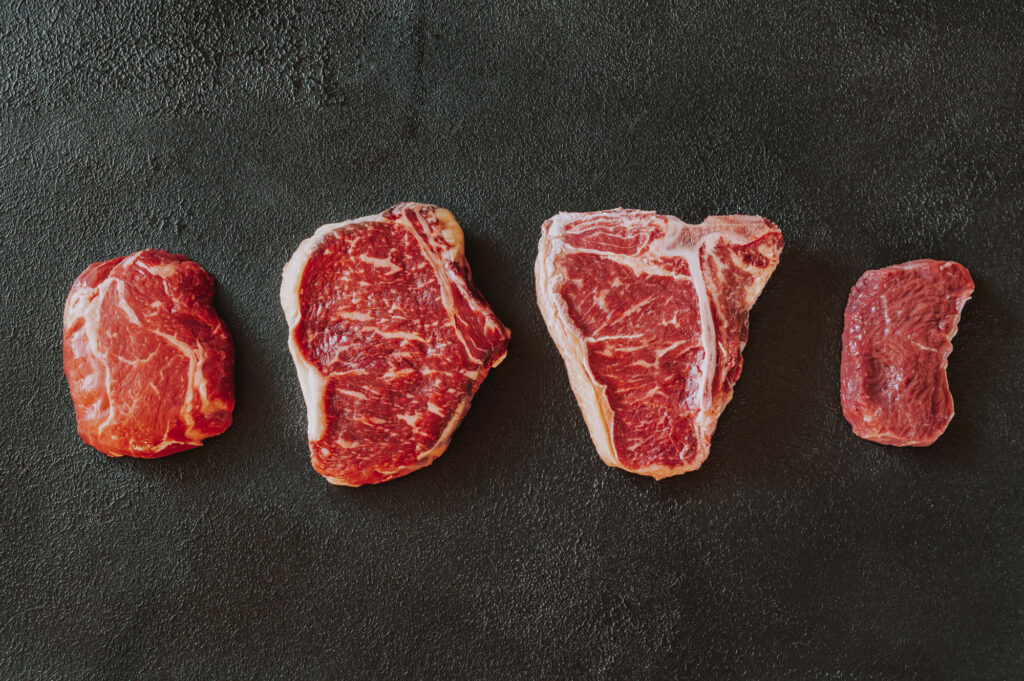
Confidence at the grill often starts with clarity at the counter. A few visual cues help guide strong decisions before the grill is even warm.
- Marbling: Fine streaks throughout the muscle signal flavor and moisture
- Thickness: Taller cuts offer more control over doneness
- Bone-in vs. boneless: Bones slow heat transfer, while boneless cuts cook more evenly
Asking simple questions about freshness or cut origin can offer insight without complicating the moment.
Matching Different Types of Steak to Technique
Each cut prefers a certain pace. Thin steaks favor quick searing, while thicker cuts benefit from a gradual warm-up followed by a finish over higher heat.
Marinades work well with lean or coarse-grained steaks, while heavily marbled cuts often need little beyond seasoning and time. Let the steak guide the approach rather than forcing a single routine.
Resting also plays a role. Thicker steaks need more time off the heat, while thinner cuts settle quickly. That brief pause shapes the final texture and flavor.
A Simple Steak Selection Reference
Use this short guide to narrow choices quickly:
- Rich flavor: Ribeye
- Clean structure: New York strip
- Soft texture: Tenderloin
- Shared presentation: Porterhouse or T-bone
- Fast cooking: Skirt or flank
- Everyday flexibility: Top sirloin
- Quiet favorite: Hanger or flat iron

A Fresh Start for the Way You Grill
An incredible steak dinner doesn’t need drama. It starts with choosing a cut that suits the heat, the timing, and the way you like to cook. Do that, and the grill becomes less of a test and more of a pleasure—steady sear, proper rest, and slices that look as good as they taste. Let this be the year your steak nights feel effortless: more evenings outside, more plates passed around, and more meals that make home feel like the best place to be.