
A new year brings fresh energy to outdoor living—more evenings spent outside, lighter menus shared around the grill, and meals that feel both relaxed and special. Seafood fits naturally into that picture. From weeknight dinners that come together quickly to weekend gatherings built around the fire, fish on the grill offers variety and a sense of occasion. These seafood grilling tips are designed to help seafood feel like a welcome staple in your outdoor routine, not a dish reserved for rare moments.
At Summerset, outdoor cooking centers on connection—how people gather, how time is shared, and how food supports those moments. Seafood brings a lighter presence to the table while still delivering depth of flavor and visual appeal. With a better understanding of how fish respond to heat, grilling seafood becomes approachable and rewarding as the year begins.
Grilling fish does not require constant attention or complicated techniques. With a few smart choices made before cooking begins and a clearer sense of timing, seafood comes off the grill intact, flavorful, and ready to enjoy with friends and family.
Why Seafood on the Grill Often Feels Like a Gamble
Seafood carries a reputation for unpredictability. Fish cooks quickly, changes texture fast, and reacts immediately to heat. That combination can feel risky, especially when guests are nearby and timing matters.
Much of that uncertainty comes from treating seafood the same way as heavier proteins. Fish benefit from steadier heat and a measured pace. Once expectations shift, grilling seafood becomes far more consistent and enjoyable.
Build a Steady Foundation Before the Grill Is Lit
Successful seafood grilling starts before the food reaches the grates. Preparation plays a larger role with fish than with thicker cuts of meat, since texture changes quickly once heat is applied.
Clean Grates, Proper Preheat, and Why Rushing Leads to Sticking
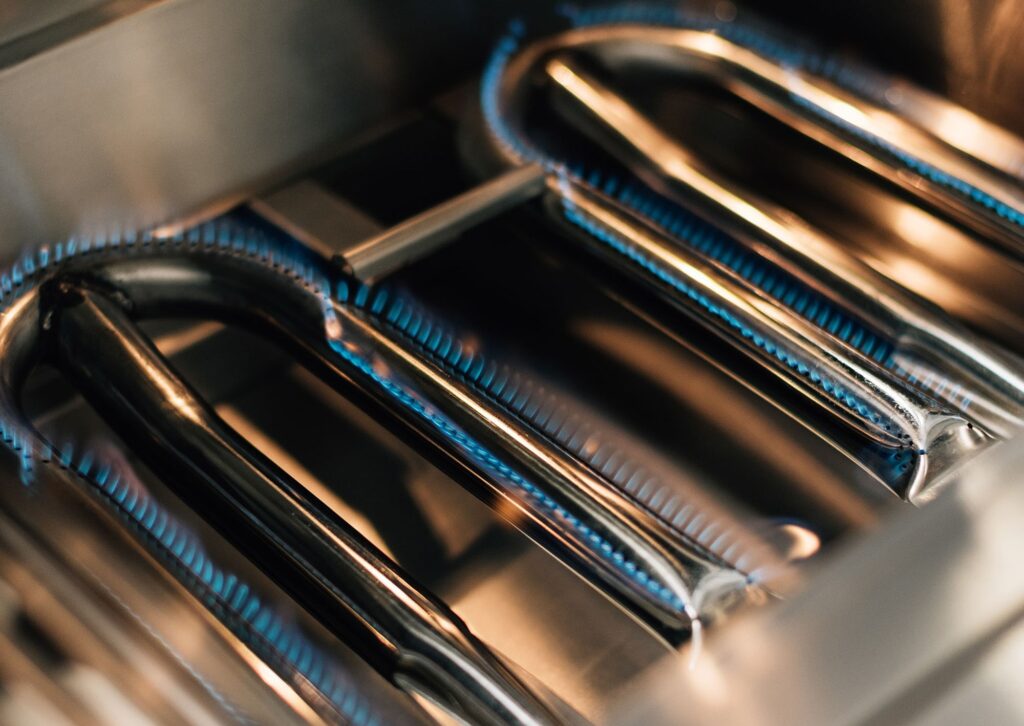
Clean grill surfaces allow seafood to release naturally once the exterior has set. Residue left behind from previous cooks interferes with that release and increases the chance of tearing.
Preheating matters just as much. Allowing the grill to reach an even surface temperature prevents uneven contact that can cause fish to cling. A steady start creates smoother results throughout the cook.
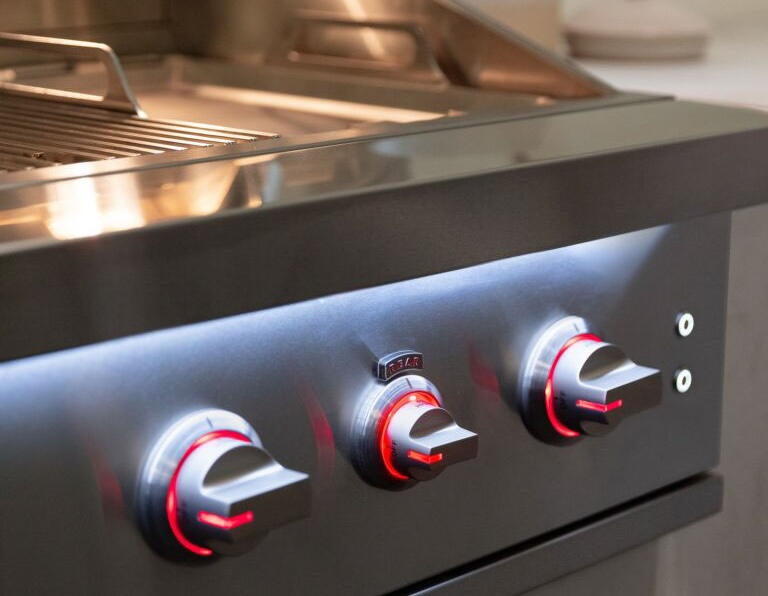
How Two-Zone Cooking Brings Balance to Seafood on the Grill
Two-zone cooking provides flexibility, and seafood benefits from it. One area of the grill handles stronger heat for initial contact, while a second zone allows fish to finish gently.
This setup creates options during the cook. If a fillet moves faster than expected, it can shift away from direct heat without interrupting the flow. Different cuts can share the grill without competing for space, which helps when cooking for others.
Seafood That Thrives with a Little Extra Support
Not all seafood behaves the same way on the grill. Thin fillets and flaky fish benefit from added structure during cooking. Grilling planks, stones, and foil packets act as a buffer between delicate flesh and direct heat, allowing flavor to develop.
These tools help preserve texture and appearance, making them useful choices when serving lighter fish or preparing multiple dishes at once. Added support does not complicate the cook—it simplifies it.
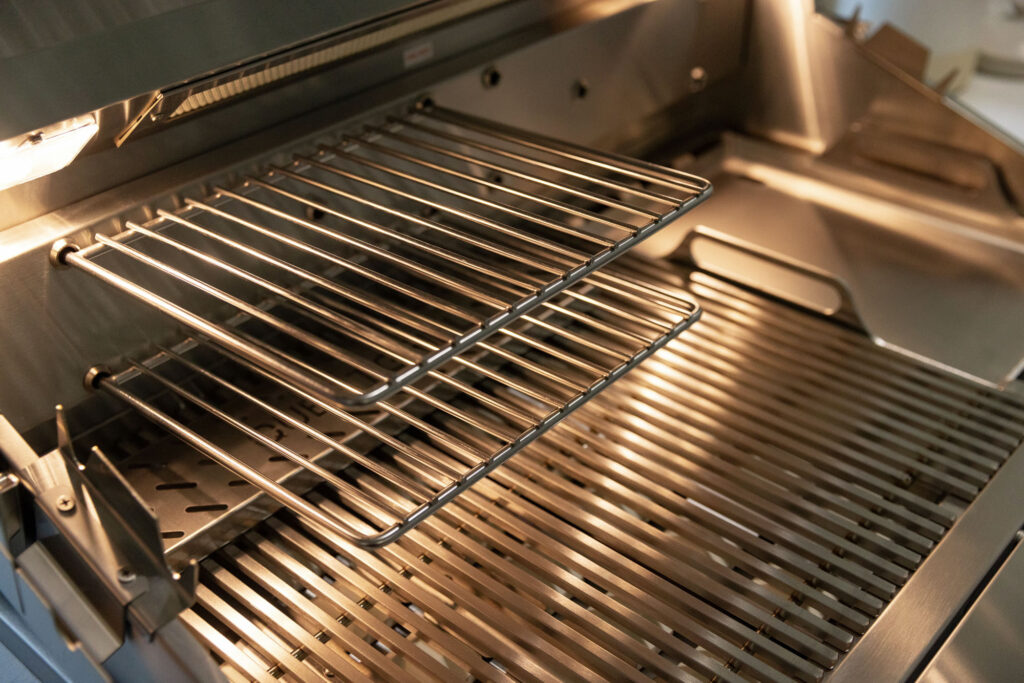
What Causes Fish to Stick—and How to Avoid It
Sticking remains one of the most common concerns with seafood. In many cases, the cause comes down to surface readiness and timing. Fish placed on the grill before the grates are hot enough will cling rather than release cleanly.
Leaving the skin on provides a natural barrier that helps fish hold together. For skinless cuts, lightly oiling the fish itself and allowing it to cook undisturbed makes a noticeable difference. Once the surface has set, release the fish without force.
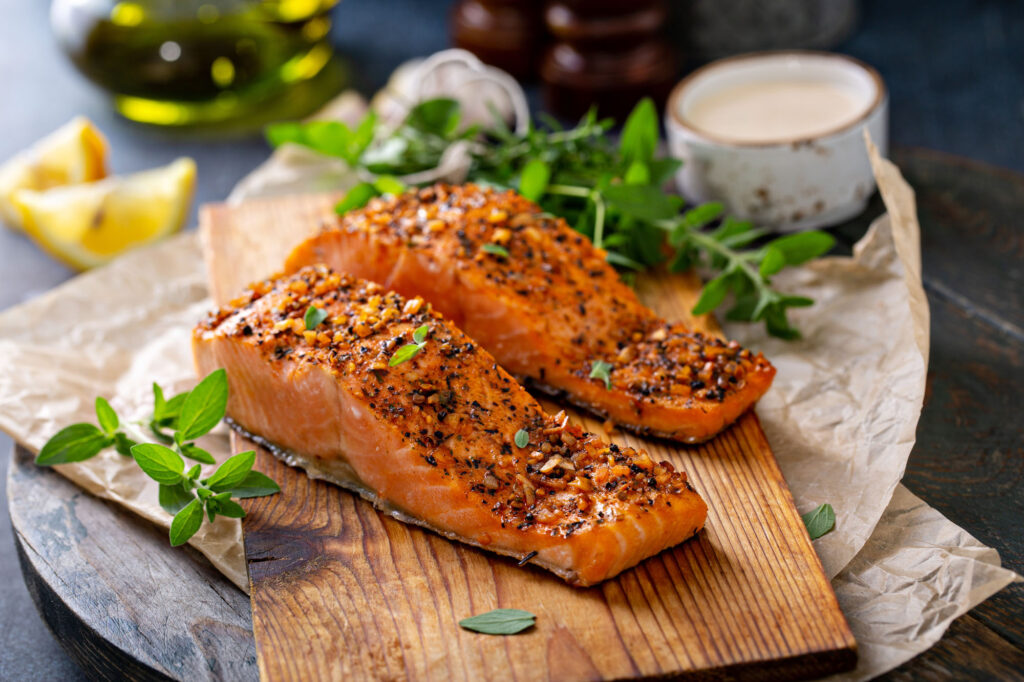
Seafood Grilling Tips Based on the Cut You’re Cooking
Different cuts respond differently to heat. Matching the technique to the structure keeps the process smooth and results consistent.
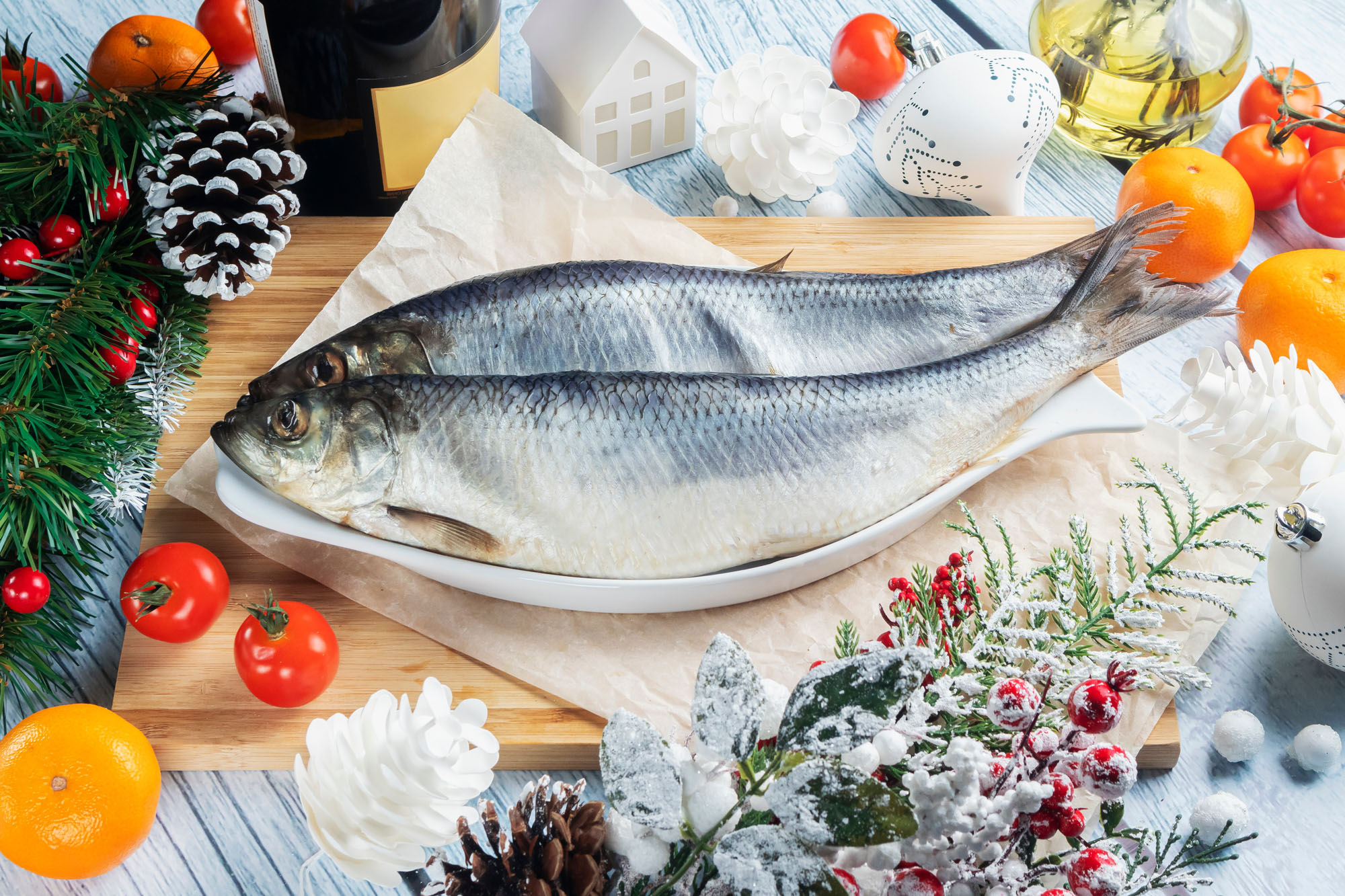
Whole Fish on the Grill: A Simple Way to Serve Something Special
Whole fish often surprises cooks with how forgiving it can be. Bones and skin protect the interior while heat circulates evenly around the fish. Seasoning the cavity simply and allowing time for steady cooking produces moist, flavorful results.
This approach works well for shared meals and creates a presentation that feels fitting for gatherings at the start of the year.
Thick Fillets and Steaks: Sear, Then Ease Back
Thicker cuts respond well to brief contact with stronger heat, followed by time over a cooler zone. This sequence builds surface color while allowing the center to cook evenly without rushing.
Avoid frequent turns during this stage. Let each side develop before moving the fish. Once the exterior sets, finishing at a lower heat helps preserve texture and moisture.
Delicate Fillets: Planks, Stones, or Packets
Thinner fish benefit from indirect methods that offer added support. Planks and stones create a stable surface that protects delicate flesh, while foil packets hold moisture and simplify timing.
These approaches reduce the need for constant attention at the grill, helping the host stay present with guests while seafood finishes cooking evenly.
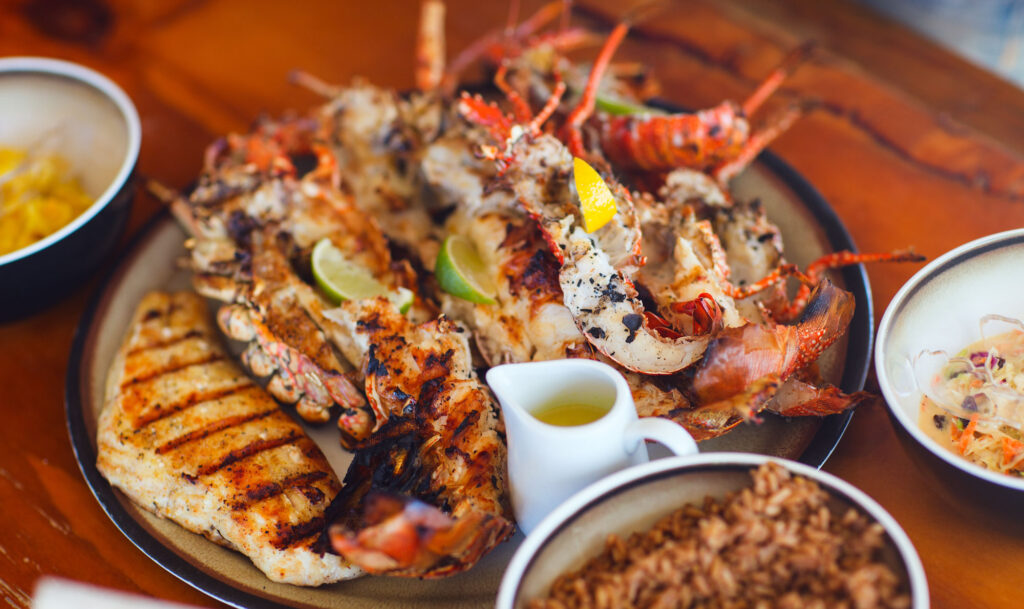
How to Tell When Grilled Seafood Is Ready to Serve
Knowing when seafood is done removes much of the tension from the grill.
Temperature Guidelines That Take the Guesswork Out
A thermometer provides a reliable reference. Use these ranges as guidance:
- Salmon and similar fish: mid-140°F
- White fish: low-to-mid-140°F
- Shrimp and scallops: high-130s to low-140s
- Lobster tails: low-140°F
These benchmarks support consistent results across different cuts and sizes.
Visual Signs That Confirm Seafood Is Done
Visual cues support temperature readings. Fish turns opaque and flakes gently when ready. Shellfish open naturally as they finish cooking. Using sight and texture together reinforces confidence during the cook.

Flavor Pairings That Let Seafood Shine
Seafood benefits from restraint. Simple seasoning highlights natural character without overpowering it. Salt brings balance, oil supports even cooking, and acid added after grilling brightens the dish.
Fresh herbs, citrus zest, warm spices, or light smoke can add depth while keeping the overall profile clean and inviting.
Common Seafood Grilling Missteps—and How to Stay Ahead of Them
Several challenges appear often. Turning fish too early can cause tearing. Excessive heat dries out delicate cuts. Long marinades affect texture rather than improving flavor.
Each issue has a straightforward adjustment tied to patience and preparation. Learning from these moments makes future cooks more relaxed.

Hosting Outdoors with Seafood That Fits the Flow of the Evening
Seafood works well for hosting when timing is planned thoughtfully. Heartier fish can be cooked earlier and rested briefly, while delicate items finish closer to serving. That sequence keeps the evening moving smoothly.
With preparation complete and techniques matched to each cut, the grill becomes part of the gathering rather than a distraction. As the year begins, these seafood grilling tips help make outdoor meals feel welcoming, flavorful, and easy to share—precisely the kind of experience Summerset is built to support.