
The first cool evening of fall changes the mood around the grill. The air feels sharper, steaks hit the grates while the game plays nearby, and dinner has every reason to linger past sunset. With the right grilling tips for fall, you can adjust for cooler temperatures, shifting winds, and shorter daylight while enjoying everything this time of year brings to the menu.
Outdoor living doesn’t need to retreat indoors when summer ends. Fall simply asks you to cook a little differently. Give the grill time to heat, pay closer attention to temperature, plan for darkness, and let autumn ingredients shape the menu. Then settle in for a season built around flame, food, and evenings outside.
1. Start With These Fall Grilling Tips for a Season-Ready Grill
A summer filled with cookouts can leave grease, food residue, and buildup behind. Before football parties and autumn dinners fill the calendar, give your equipment a seasonal check.
Clean the cooking grates, grease tray, and interior surfaces according to your grill’s care instructions. Inspect burners and ignition components, then check gas connections where applicable. Confirm your fuel supply before guests arrive, too.
Your inspection should extend beyond the main cooking station:
- Clean outdoor refrigeration and check temperature settings.
- Organize dry storage so tools and serving pieces stay within reach.
- Inspect side burners and other cooking appliances.
- Check sinks, faucets, and drains.
- Test task lights and interior grill lighting.
With the grill clean, drinks chilled, tools organized, and burners ready, the evening can begin without last-minute trips inside.
2. Give Your Grill More Time to Preheat
The same grill may respond differently on a crisp October evening than on a warm July afternoon. Cooler surroundings can affect preheating and heat recovery, so allow the appliance and cooking surfaces to reach the desired temperature before adding food.
Pay attention to the grates and the hood thermometer. A hot cooking chamber doesn’t always mean the stainless steel beneath your steak has stored enough energy for the sear you want.
You’ll hear the difference when food hits properly heated grates. That immediate sizzle starts the browning that gives steaks, chops, and vegetables their savory crust.
Instead of relying on a fixed warm-up time, let temperature and conditions guide you.
3. Keep Heat Inside the Grill
Once everything reaches temperature, resist lifting the hood every few minutes.
Opening it allows accumulated warmth to escape. During a cool evening, the grill may need more time to recover that lost energy, which can extend the cook.
Plan what you need to accomplish before raising the hood. Flip several pieces during the same opening, move ingredients between heat zones, check internal temperatures, then close it again.
A leave-in thermometer can reduce unnecessary checking during longer cooks. An instant-read model also lets you quickly verify doneness.
Keeping the hood closed gives steaks time to brown, chicken skin time to crisp, and vegetables time to soften without repeatedly losing heat to the cool air.
4. Don’t Let Autumn Winds Control the Cook
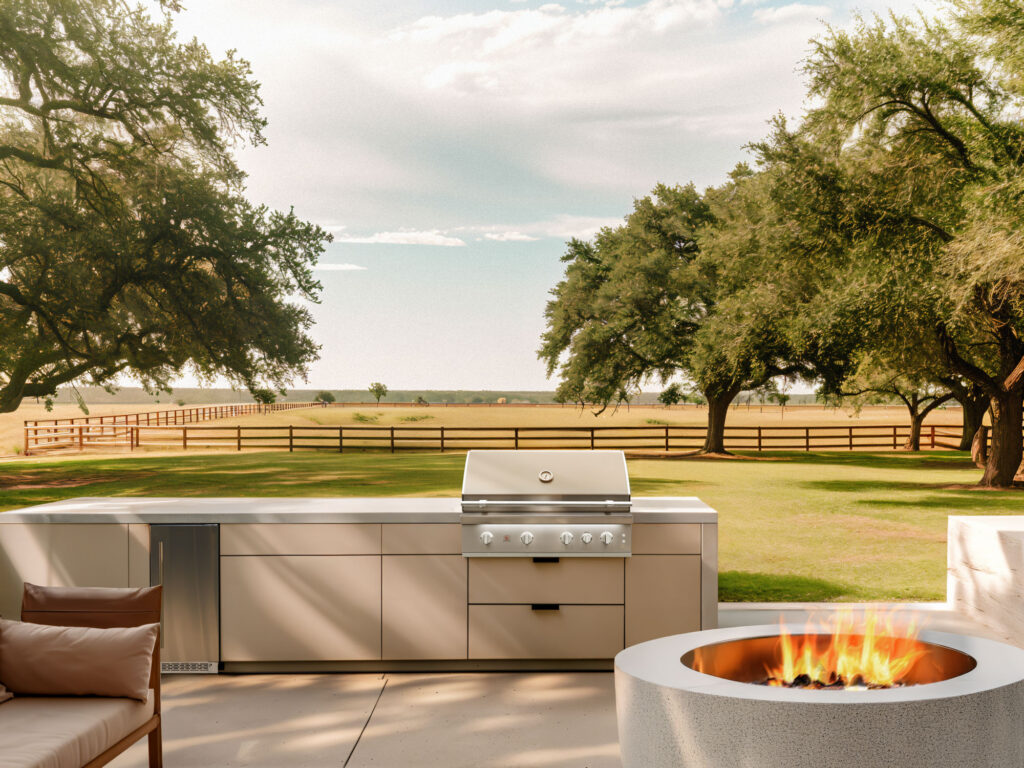
Cool air gets plenty of attention, but wind can influence your cooking conditions just as much. Strong gusts may pull away heat and make steady temperatures harder to maintain.
Before lighting the grill, note the wind direction and how exposed your cooking area is. Always maintain the ventilation and clearances your equipment requires. Never move an outdoor grill into an enclosed space simply to escape chilly weather.
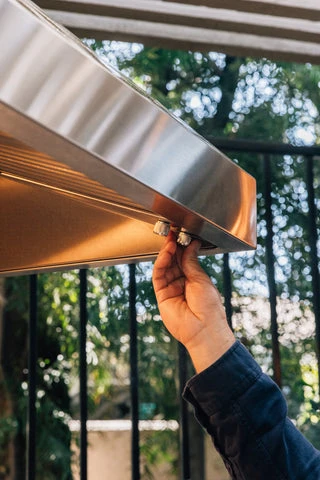
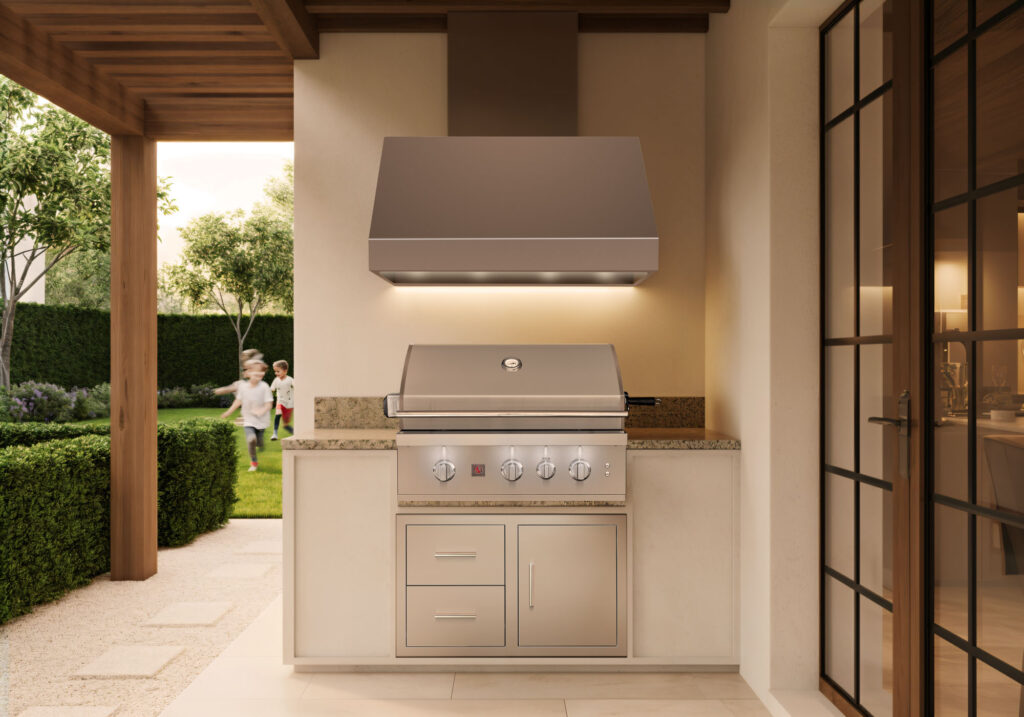
Covered kitchens also require careful planning. In these spaces, a Summerset outdoor vent hood helps draw smoke, heat, and cooking odors away from the sitting area, so guests can settle in nearby while dinner stays over the flame.
5. Use Heat Zones for Greater Control
Autumn menus often bring several ingredients to the grill at once. Direct and indirect zones give each one the temperature it needs.
Use stronger heat to develop a savory crust on steaks and chops. Reserve another area for gentler cooking, thicker proteins, or foods that need additional time.
Consider a dinner built around a thick steak and fresh fall produce. The beef can sear over intense heat while squash slowly softens nearby, developing caramelized edges and a tender center. Onion wedges can cook more gently until their edges brown and their sharp bite turns sweet.
Multiple zones also give you room to move ingredients if flare-ups occur or one item finishes ahead of another. Instead of forcing every dish to cook under identical conditions, you decide where each component spends its time.
6. Let Temperature, Not the Clock, Decide When Dinner Is Ready
Recipes provide helpful timing estimates, but weather, food thickness, starting temperature, and grill conditions can all influence how quickly dinner cooks.
A reliable thermometer removes much of that uncertainty.
Check thick steaks, pork, whole poultry, roasts, and other substantial cuts rather than relying solely on minutes per side. According to USDA food-safety guidance, beef, pork, veal, and lamb steaks, chops, and roasts should reach 145°F followed by at least a three-minute rest. Poultry should reach 165°F.
Temperature-based cooking also protects a beautifully grilled piece of meat from spending unnecessary time over the flame. Once it reaches the proper internal temperature, pull it from the heat and let the grill marks, browned exterior, and juicy center speak for themselves.
7. Our Most Flavorful Grilling Tips for Fall Start With the Harvest
Some of our favorite top grilling tips for fall begin with choosing ingredients that suit cooler evenings.
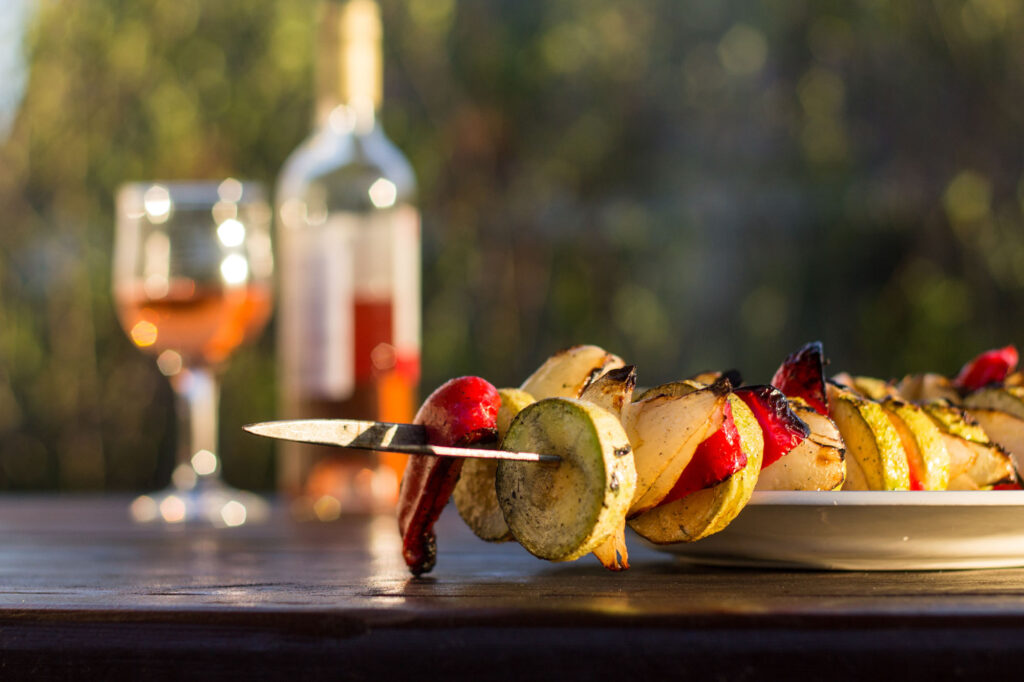
Winter squash develops browned edges and a creamy interior over the grill. Brussels sprouts pick up char while retaining a satisfying bite. Sweet potatoes soften and grow rich, while onions mellow as their natural sugars caramelize.
Fruit deserves room over the flame, too. Apples and pears develop concentrated sweetness and a hint of smoke, offering a warm finish after a savory meal.
Cooler weather also changes what sounds good for dinner. Consider building the menu around:
- Thick-cut steaks and pork chops
- Ribs or pork shoulder
- Whole chicken or turkey
- Roasts suited to indirect cooking
- Squash, root vegetables, and sturdy greens
- Grilled apples or pears for dessert
These ingredients can spend more time over the heat, filling the patio with the aromas of browning meat, toasted spices, smoke, and caramelizing produce.
8. One of Our Top Fall Grilling Tips: Plan for Sunset
Long summer evenings disappear quickly once autumn arrives. Dinner may begin beneath golden afternoon light and finish under a dark sky.
Prepare the space before firing the burners.
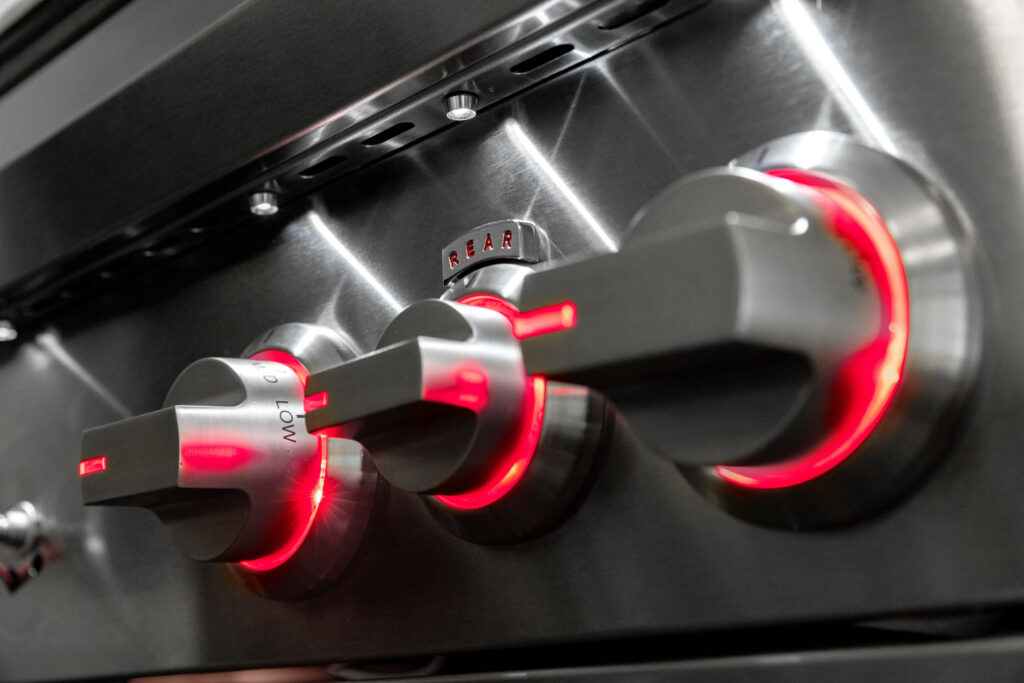
Interior grill lights illuminate the cooking surface, while dedicated task lighting keeps prep counters usable. Pathway fixtures give guests a clear route through the yard. Softer illumination around dining and lounge areas makes it easy to stay outside after the plates have been cleared.
After sunset, lighting changes the kitchen’s character. Light across stainless steel, stone, countertops, and nearby landscaping adds depth while keeping the workspace functional.
An early sunset doesn’t need to send dinner indoors. It can mark the beginning of the night’s second act.
9. Keep Dinner Warm and Hosting Effortless
Cool weather can pull heat from finished food quickly. Coordinate proteins and sides so they reach the table close together, and organize serving pieces before cooking begins.
Keep Food Warm from Grill to Table
Use warming racks when appropriate, cover finished dishes, and avoid leaving platters exposed longer than necessary. If several items are cooking at once, different heat zones can help hold certain foods briefly while the rest of dinner finishes.
Keep Everything the Host Needs Within Reach
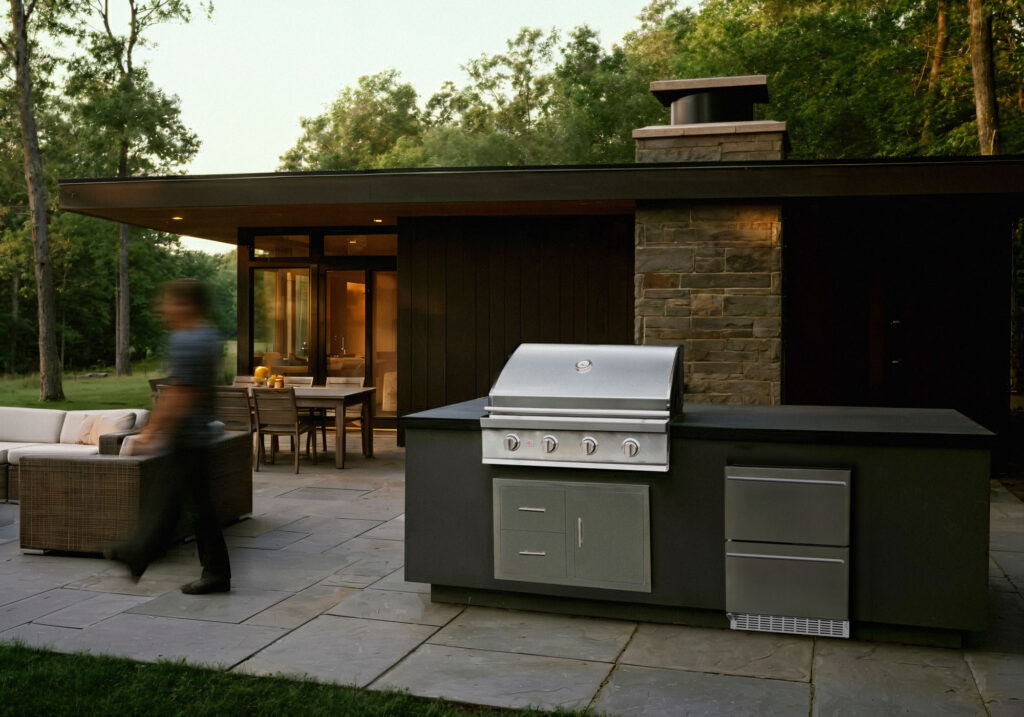
A well-planned outdoor kitchen reduces trips through the back door. With cold drinks below the counter, sauces simmering on a side burner, utensils in dry storage, and a sink close at hand, the host can stay outside where dinner and conversation are already happening.
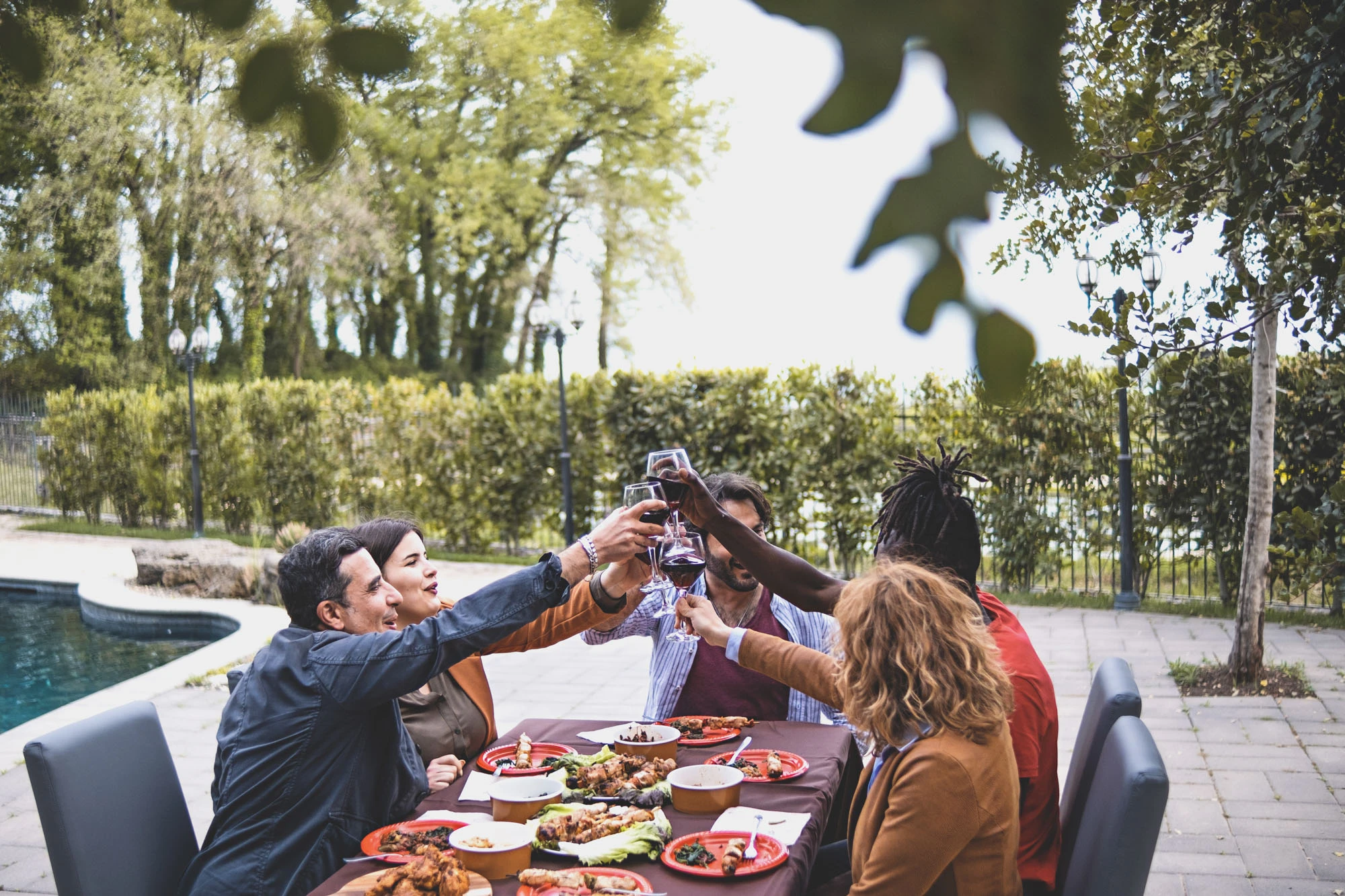
Those details matter even more on a cool night. Another bottle can be opened, steaks can move straight to the serving platter, and cleanup can begin without leaving guests behind.
10. Make Football Season Outdoor Season
Few occasions suit autumn grilling better than game day. Build the menu around foods guests can share without pulling attention away from the action.
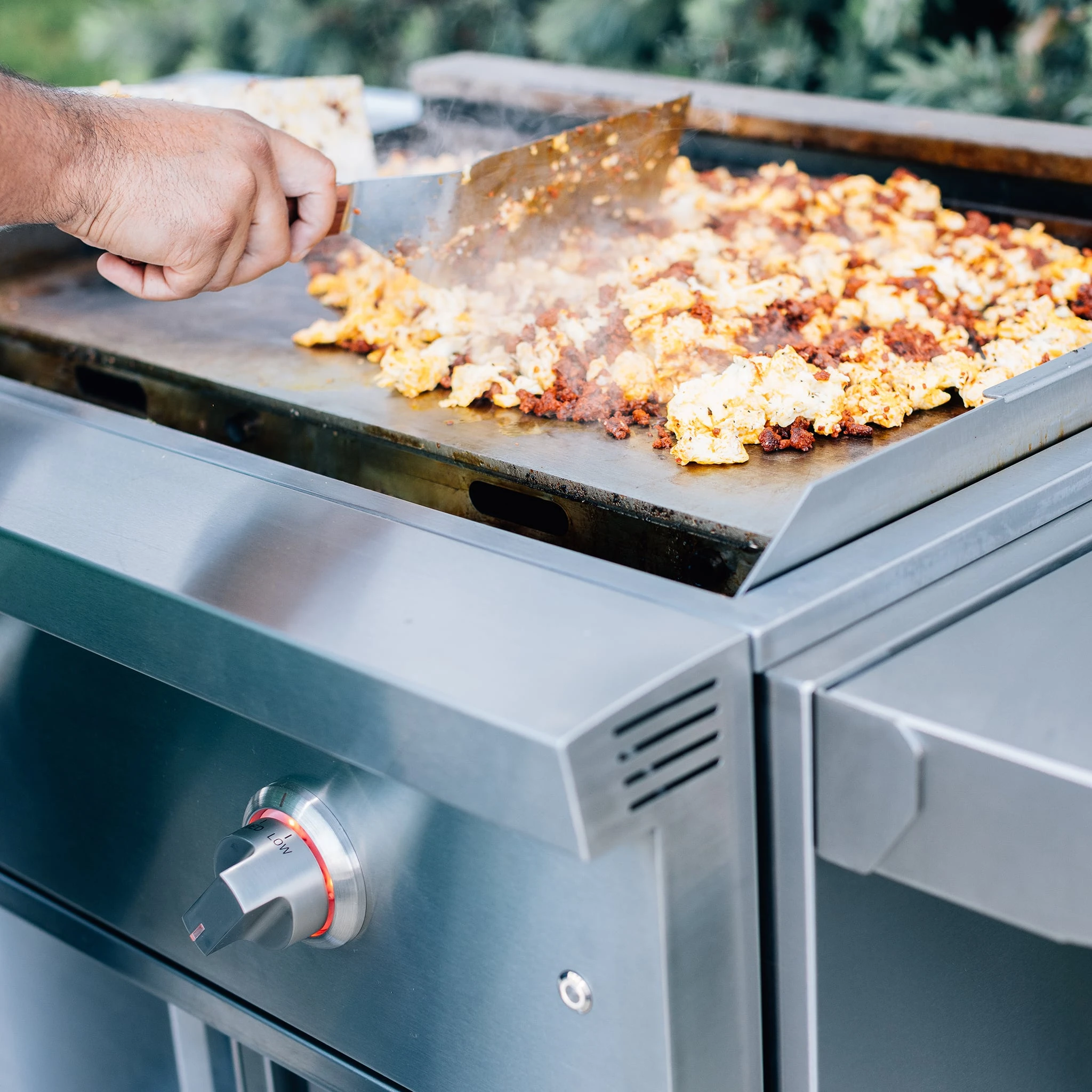
Wings can come off the grill hot with crisped skin. Quesadillas brown across a griddle plate as cheese melts inside. Sliders, skewers, dips, and other appetizers can arrive in rounds, so everyone can eat without sitting down for a formal meal.
Then arrange the patio around how people will use it. Keep beverages accessible, place serving pieces nearby, and provide comfortable seating so guests can follow the score without leaving the cooking area.
The hiss of the griddle, a fresh platter of wings, and the next batch coming off the grill become part of game day itself. Nobody has to disappear inside just as the drive gets interesting.
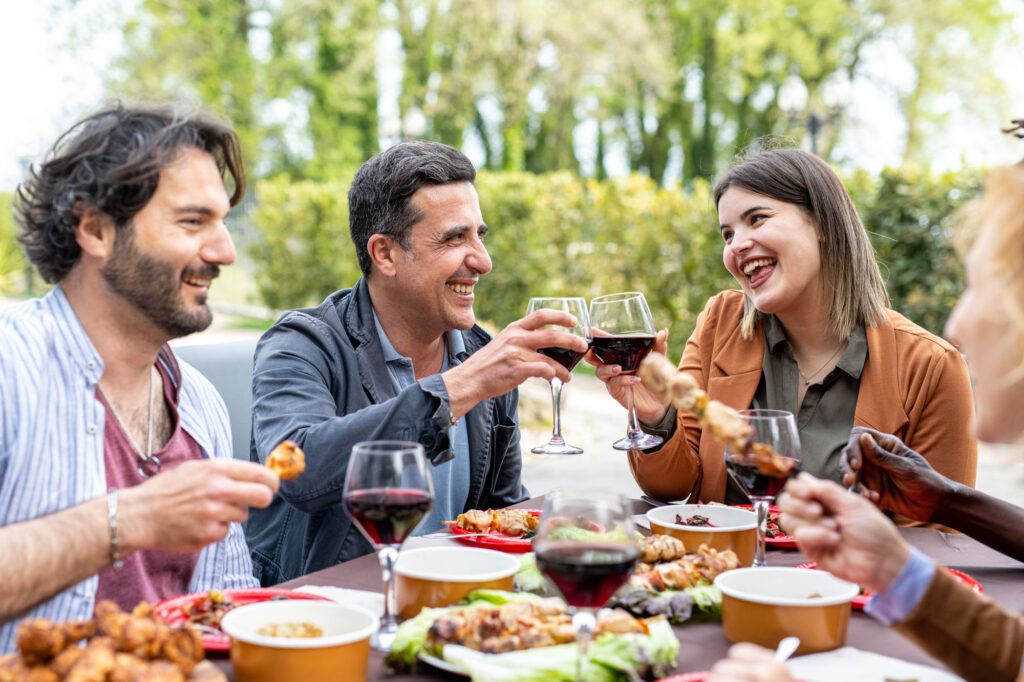
Keep Grilling Long After Summer Ends
The best grilling tips for fall aren’t about recreating July in October. Cooler weather brings its own rhythm to the outdoor kitchen.
Squash browns beside a thick steak. Smoke drifts into the crisp air. The last daylight reflects from stainless steel while dinner finishes over the flame. Later, friends settle into their seats with another plate as the temperature drops and the evening stretches on.
Summer may get most of the attention, but some of the best nights around the grill arrive after the season changes. Keep the fire hot, let dinner take its time, and stay outside long enough to watch the last light disappear.
With an outdoor kitchen built for more than one season, the best part of the evening doesn’t have to move indoors.