
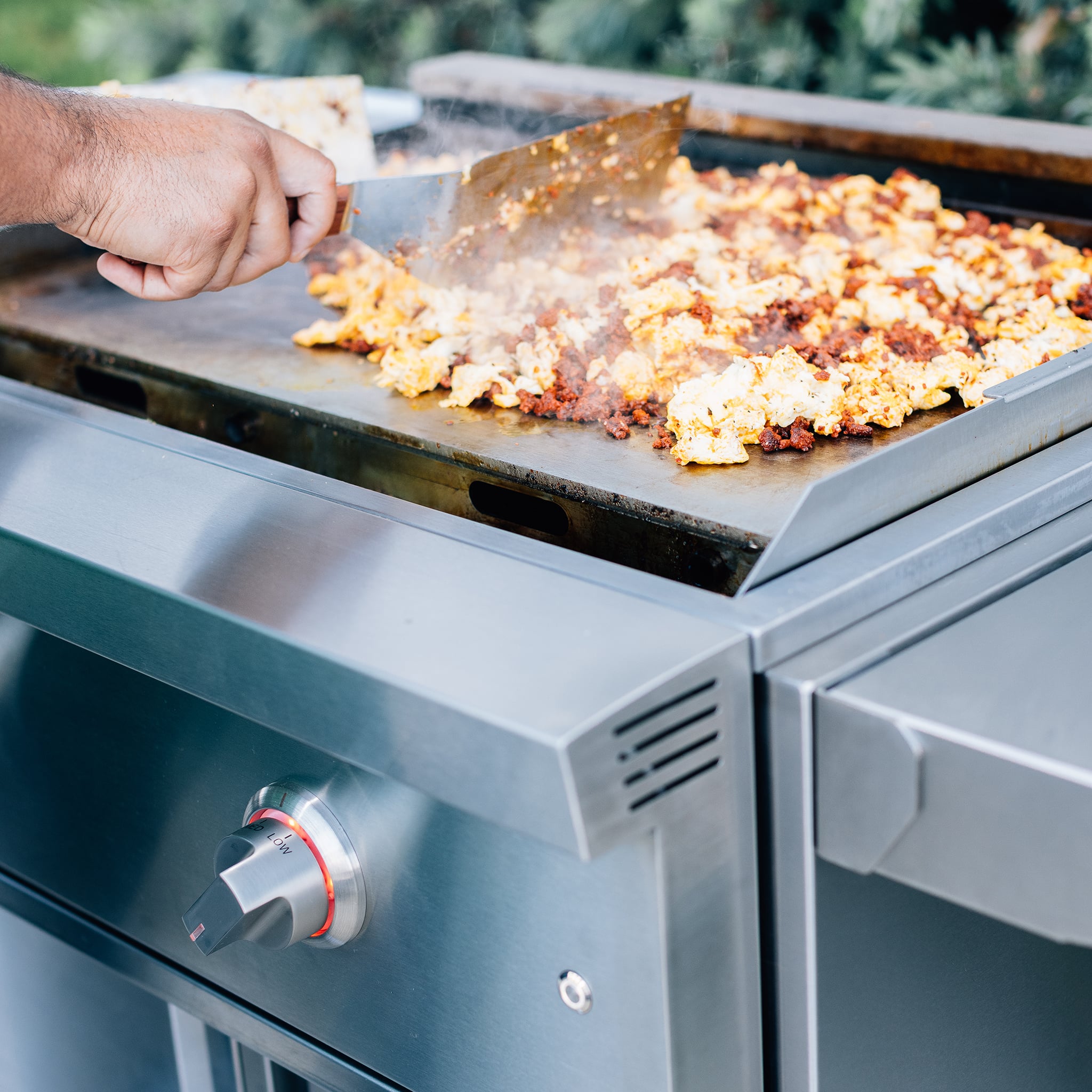
Spring calls for a fresh start, and thoughtful grill maintenance sets the tone for your entire outdoor kitchen. After months of wind, moisture, and quiet use, even a premium system can lose some of its precision. Heat may feel uneven. Flare-ups may happen more often. Surfaces may not look as refined as they once did. A focused spring reset restores performance, protects your investment, and prepares your space for a season of open-air meals.
Whether you grill all winter or are bringing your equipment out of storage, now is the time to prepare for warmer days ahead. Cold weather can leave behind condensation, debris, and hidden buildup inside burners and grease channels. Storage can introduce dust or moisture, which can affect ignition and airflow. With a few intentional steps, you can ensure your grill, side burners, refrigeration, and surrounding components are ready for longer evenings outdoors.
Summerset designs grills, side burners, refrigeration, sinks, storage, vent hoods, and ovens to function as one cohesive environment. Proper care ensures every component performs as designed.

Subtle Signs It’s Time for a Reset
Performance decline rarely happens overnight. Instead, it shows up in quiet shifts:
- One side cooks faster than the other
- Preheat times stretch longer than usual
- Flames appear uneven across burners
- Smoke smells heavier than expected
- Food sticks despite light oiling
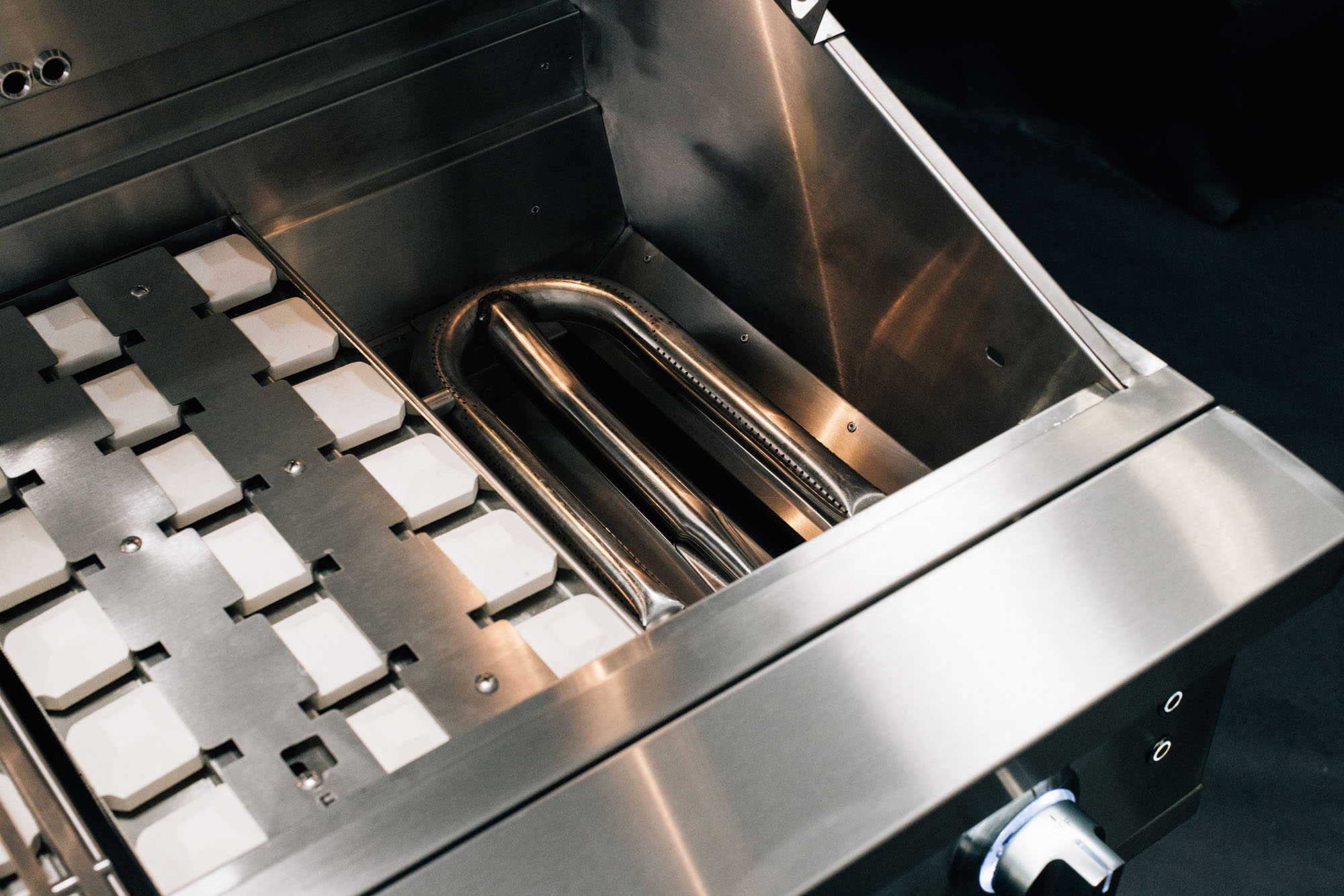
These signals often indicate restricted airflow, grease buildup, or residue in the cook box. Our guide, The Anatomy of a Gas Grill, explains how burners, flame tamers, and drip systems work together. If one element becomes obstructed, the entire cooking experience changes.
Addressing those small signals early keeps your grill operating with strength and control.
Understanding How Your Grill Performs at Its Best
A well-built grill is a coordinated system. Burners generate flame. Heat distribution components manage intensity. Airflow channels regulate combustion. Grease management protects both safety and flavor.
When these systems remain clear and properly aligned, your grill produces steady temperatures and consistent sear. Restricted airflow weakens flame strength. Grease buildup alters heat patterns. Carbon on cooking surfaces affects contact and flavor clarity.
During spring grill maintenance, focus on restoring each of these internal systems rather than only cleaning visible surfaces.
What to Inspect During Grill Maintenance
A thorough spring reset goes beyond surface cleaning. Effective grill maintenance means examining the components that directly affect heat, airflow, and safety. By taking a closer look at these internal systems, you can correct small issues before they interfere with performance during peak cooking season.
A focused approach prevents minor issues from growing.
Burner Health and Airflow
Burner ports must remain clear to maintain even flame patterns. Over time, debris and residue can reduce oxygen flow.
During inspection:
- Remove grates and flame tamers
- Check burner tubes for blockage
- Gently brush visible buildup
- Confirm flames burn evenly from front to back
Our article on Grilling with Gas explains how flame consistency shapes cooking results. Clean burners support steady heat and reliable performance.
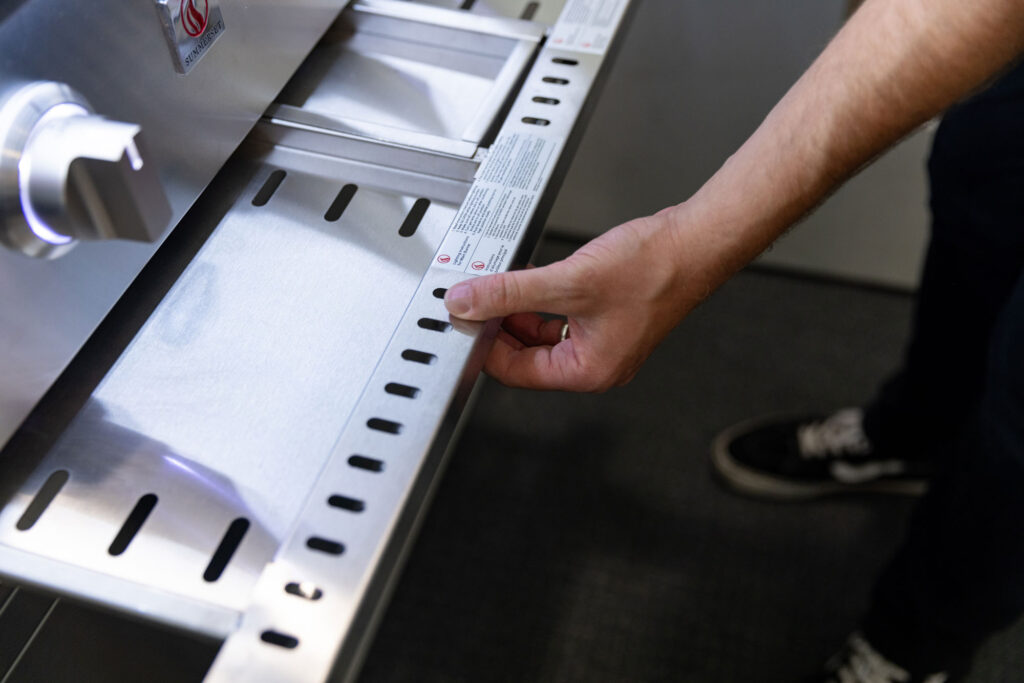
Grease Management System
Drip trays and grease channels direct runoff away from the heat. If neglected, buildup increases the risk of flare-ups and alters smoke quality.
For a seasonal reset:
- Remove and empty grease trays
- Wipe grease channels thoroughly
- Inspect for hardened residue
- Reinstall components securely
National fire safety organizations recommend routine inspection of grease systems to reduce hazards. Thoughtful care protects both performance and safety.
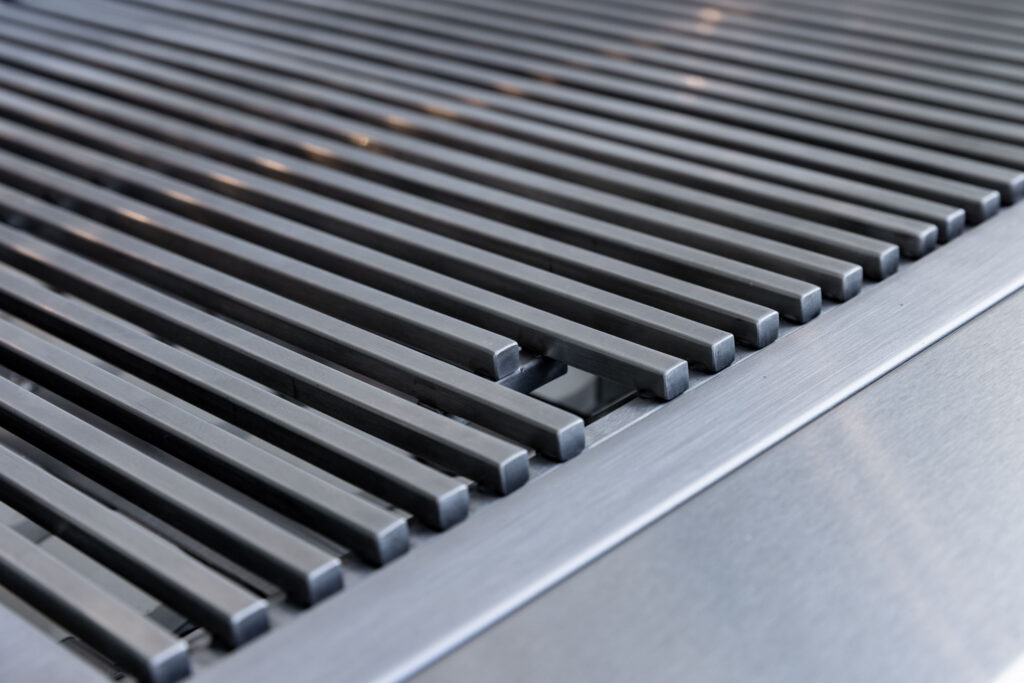
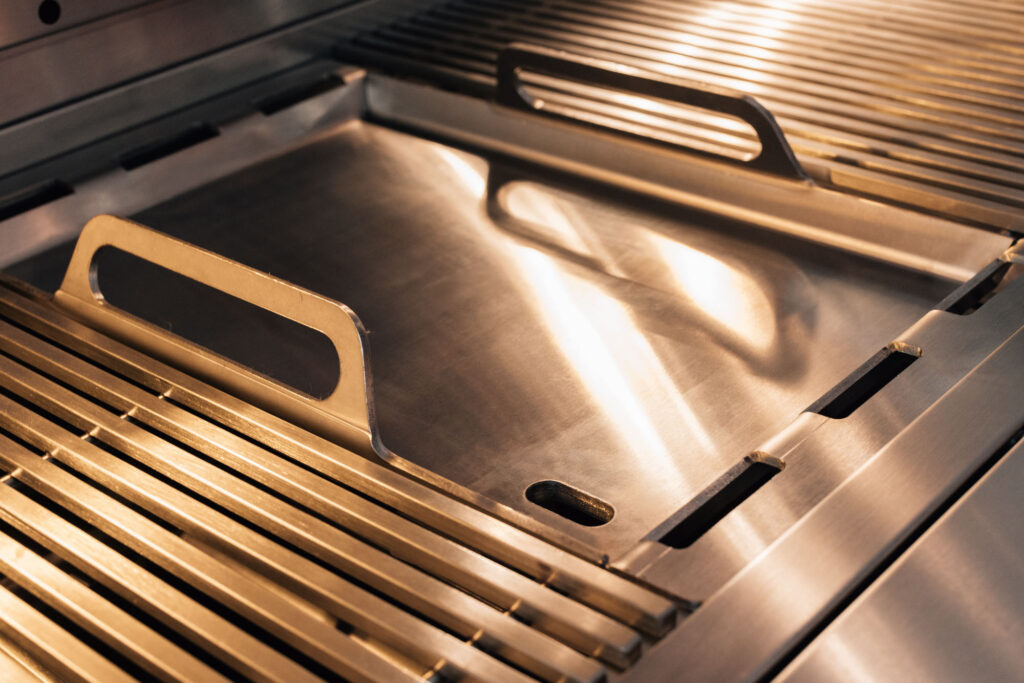
Cooking Grates and Surface Care
Burn-off alone does not remove all residue. Carbon accumulation can cause sticking and affect flavor.
Adapt these steps from our How to Clean Grill Grates guide:
- Heat grates briefly before brushing
- Use a quality brush suited for stainless steel
- Wipe lightly with high-smoke-point oil
- Avoid abrasive pads that scratch surfaces
A clean cooking surface supports better searing and balanced flavor.
Stainless Steel Exterior
Outdoor kitchens endure sun, wind, and airborne debris. Stainless steel resists corrosion but still benefits from careful maintenance.
From our stainless care resource:
- Wipe in the direction of the grain
- Avoid chlorine-based cleaners
- Use soft microfiber cloths
- Dry surfaces after cleaning
A polished exterior reflects the craftsmanship behind your outdoor space.

A Simple Grill Maintenance Plan for Spring
Spring cleaning feels more manageable with a clear structure in place. Instead of approaching grill maintenance as a single long task, break it into short, purposeful intervals that fit naturally into your routine. This steady approach keeps your grill operating smoothly throughout the season without overwhelming your schedule.
Structure keeps maintenance manageable. Instead of occasional deep cleans, follow a steady rhythm.
The 5-Minute Post-Cook Routine
After each use:
- Run the grill on high for several minutes
- Brush grates while still warm
- Empty grease trays
- Wipe exterior surfaces
Small habits prevent heavy buildup.
The Monthly Grill Care Routine
Once each month during peak season:
- Remove interior components
- Clear debris from the cook box
- Inspect burner alignment
- Check ignition performance
- Confirm grease channels remain open
Regular attention preserves consistent heat.
The Seasonal Deep Cleaning for Your Grill
At the start of spring:
- Disassemble grates and flame tamers
- Clean interior walls thoroughly
- Inspect burners for corrosion
- Tighten visible hardware
- Polish stainless steel panels
While completing grill maintenance, evaluate surrounding components as well.
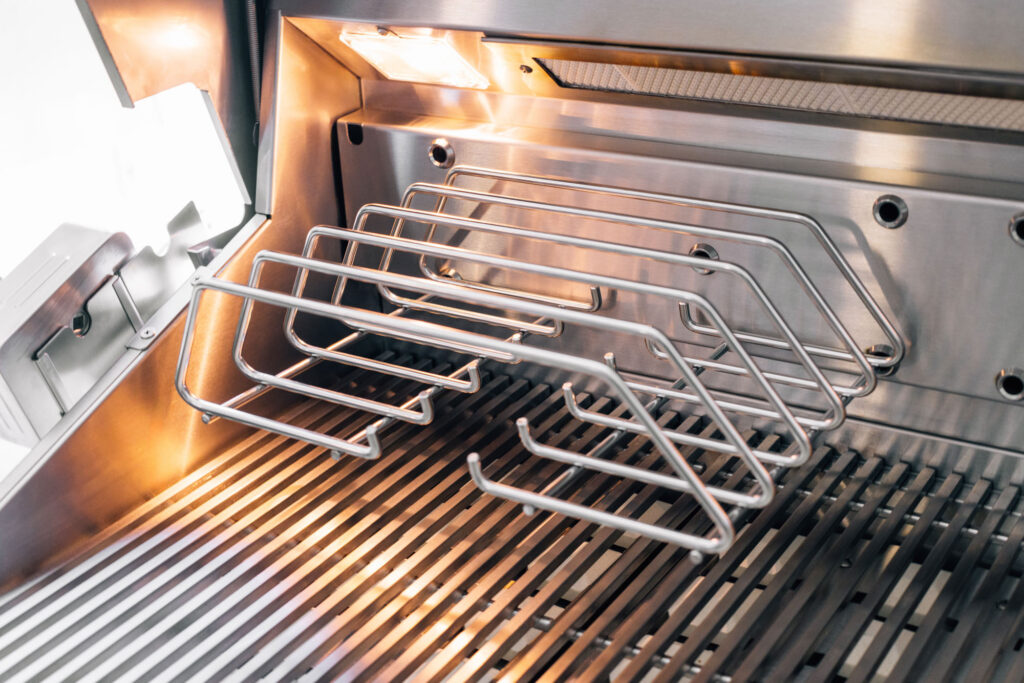
Extend Spring Cleaning to the Entire Outdoor Kitchen
Your grill may be the centerpiece, yet it functions within a broader outdoor system. Spring is the ideal time to evaluate how every component supports your cooking experience. Expanding grill maintenance to include the surrounding elements ensures your entire outdoor kitchen operates consistently and in balance.
Summerset designs outdoor kitchens as complete environments. Spring preparation should reflect that integrated approach.
Inspect and refresh:
- Side burners: clear ports and wipe surfaces
- Vent hoods: clean filters and remove grease film
- Refrigeration units: check seals and wipe interior shelves
- Sinks: inspect plumbing connections
- Dry storage: remove moisture and debris
Our article, “Now Is the Time to Plan Your Outdoor Kitchen Remodel,” highlights how layout and airflow influence performance. Even small seasonal adjustments improve functionality.
How to Maintain a Grill Without Causing Damage
Premium materials deserve careful handling.
- Avoid steel wool and harsh abrasives.
- Choose cleaners made for stainless steel.
- Skip wire brushes that shed bristles.
- Use high-smoke-point oil to condition grates.
Our article, “The Many Problems with Cheap Grills,” explains how inferior construction leads to quick breakdown. In contrast, a well-built system rewards consistent care with long-term reliability.
Respect the engineering behind your grill. Precision cleaning protects that structure.
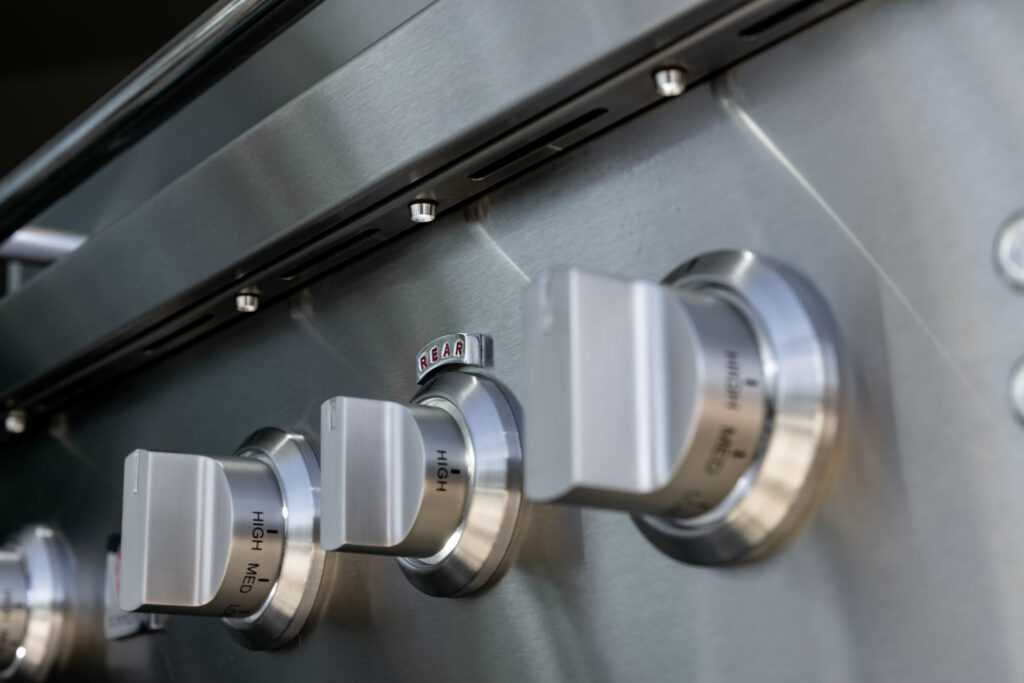
Grill Maintenance and Flavor Integrity
Clean components burn fuel more efficiently. Efficient combustion produces steady heat and balanced smoke. Residue and blocked airflow alter that balance, potentially affecting taste and texture.
Restoring airflow and removing buildup returns clarity to every bite. Spring cleaning supports more than appearance. It prepares your grill for consistent searing, controlled roasting, and dependable temperature management.
Quick Spring Cleaning Checklist
Keep this reference nearby:
- Brush and oil grates
- Clear burner ports
- Empty grease trays
- Wipe grease channels
- Inspect the ignition system
- Polish stainless steel
- Clean side burners
- Check refrigeration seals
- Remove debris from storage
Use this checklist at the beginning of the season and revisit it monthly.

When Professional Service Is Advisable
Routine grill maintenance addresses most seasonal concerns, but some issues require trained evaluation. If performance does not improve after cleaning, deeper mechanical inspection may be necessary. Recognizing when to involve a qualified technician protects both safety and long-term reliability.
Maintenance addresses most concerns. However, certain signs require professional evaluation:
- Persistent ignition failure
- Visible burner corrosion
- Strong gas odor
- Warped internal components
In those situations, consult a qualified technician. Safety and long-term reliability depend on proper inspection.
Getting Season-Ready and Built to Perform
Spring signals renewal, and properly maintained grills prepare your outdoor kitchen for its most active months. Clean burners produce steady heat. Clear grease channels reduce flare-ups. Polished stainless steel reflects careful ownership.
Summerset builds grills and outdoor components with durability and precision in mind. With a disciplined approach to care, your outdoor space stands ready for longer evenings, shared meals, and consistent results each time you light the flame.